Use of chemicals in life

1. Acid
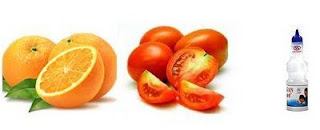

Acid is one of the ingredients of various foods and beverages, such as vinegar, cheese, and fruits. According to Arrhenius, acid is a substance that in water will release H + ions. Thus, the acid carrier is an H + ion (hydrogen ion), so the acidic chemical formula always contains a hydrogen atom. Ions are atoms or groups of electrically charged atoms. Cations are positively charged ions. The anions are negatively charged ions.
Another characteristic of the acid is that it can react with various materials such as metals, marble, and ceramics. The reaction between acids and metals is corrosive. For example, ferrous metals can react quickly with hydrochloric acid (HCl) to form Iron (II) chloride (FeCl2).
Here are some of the Acid species found in everyday life:
- Vinegar contains acetic acid,
- Citrus contains citric acid,
- Wine contains tartaric acid,
- Apple contains malic acid,
- Vitamin C contains ascorbic acid, and
- Eye drops containing boric acid.
- Stomach acid contains hydrochloric acid
- Cheese contains lactic acid
- TNT fertilizers and explosives contain nitric acid
2. Bases
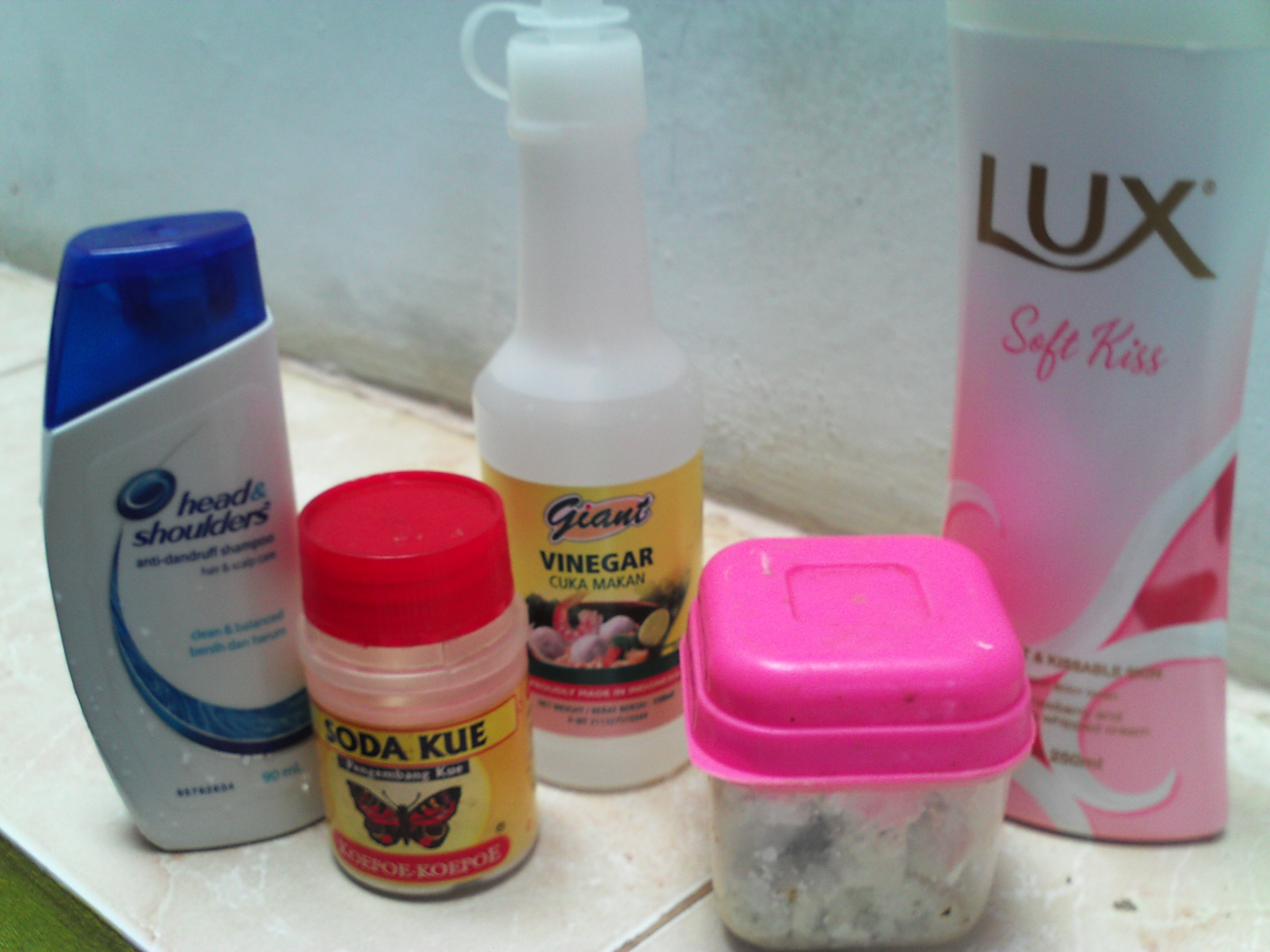
Bases are substances that can neutralize acids. Chemically acid and base are opposite each other. A water-soluble base is called alkali. Some basic properties are as follows:
Bases have a bitter taste
Basa converts red litmus to blue
Bases react with fat to form soap. This property is used in the use of ash polish to wash dishes.
Bases neutralize acidic properties
Bases are corrosive, especially strong bases.
Some examples of bases used in daily life are as follows:
- Fire soda (NaOH sodium hydroxide) serves to make soap, dissolves fat and oil so it can be used to open incompressible sinks.
- Calcium hydroxide or lime (Ca (OH) 2) is used for whiting and as a building material, ie mixture of mortar
- Ammonia (NH3 solution) is used in facial cleansers or glass cleaners
- Aluminum hydroxide (Al (OH) 3) is used for deodorants and ulcer drugs
- Magnesium hydroxide (Mg (OH) 2) is used for laxatives
3. Salt
It has been mentioned that alkaline acids neutralize each other. Therefore an acid reaction with a base is called a neutralization reaction. Some examples of neutralization reactions in everyday life are:
Excess stomach acid is neutralized with antacids, such as mylanta and promag
Overly acidic agricultural soils are neutralized with lime (Ca (OH) 2) or limestone (CaCO3).
The neutralization reaction produces a compound called salt. An example is a kitchen salt (NaCl) formed from the reaction between sodium hydroxide and hydrochloric acid.
Here are some of the salt types found in everyday life:
- Sodium chloride (NaCl), also called salt
- Magnesium sulfate (MgSO4), also called British salt is used as a laxative / laxative
- Calcium carbonate (CaCO3), which is a compound in limestone, marble, and marble
- Aluminum sulfate (Al2 (SO4) 3), which is used in drinking water treatment, ie for water purification
- Sodium stearate NaC17H35COO, which is the main component of bath soap.

Hi Dhea, what is the pH of acid and base?
BalasHapushi Wanda, pH of acid < 7 and pH of base > 7
BalasHapuscan you Give me examples of common chemical reactions in daily life?
BalasHapusNa + Cl will be NaCl
HapusWhat reaction happens to the enzyme process?
BalasHapusThe enzyme works by reacting with the substrate molecule to produce the intermediate compound through an organic chemical reaction requiring lower activation energy, so the acceleration of a chemical reaction occurs because a chemical reaction with higher activation energy takes longer. As an example:
HapusX + C → XC (1)
Y + XC → XYC (2)
XYC → CZ (3)
CZ → C + Z (4)
Although the catalyst compound may change in the initial reaction, in the final reaction the catalyst molecule will return to its original state.
Most enzymes work typically, which means each type of enzyme can only work on one kind of compound or chemical reaction. This is due to differences in the chemical structure of each enzyme that is fixed. For example, the α-amylase enzyme can only be used in the process of starch reshuffling to glucose.
please tell me some examples of bases used in daily life ?
BalasHapusFire soda (NaOH sodium hydroxide) serves to make soap, dissolves fat and oil so it can be used to open incompressible sinks.
HapusCalcium hydroxide or lime (Ca (OH) 2) is used for whiting and as a building material, ie mixture of mortar
Ammonia (NH3 solution) is used in facial cleansers or glass cleaners
Aluminum hydroxide (Al (OH) 3) is used for deodorants and ulcer drugs
Magnesium hydroxide (Mg (OH) 2) is used for laxatives
Is there any use of acid in daily life that is harmful to health? Provide an explanation with examples. . .
BalasHapus